Ep. #57, Attention is Currency with Navneet Kaur
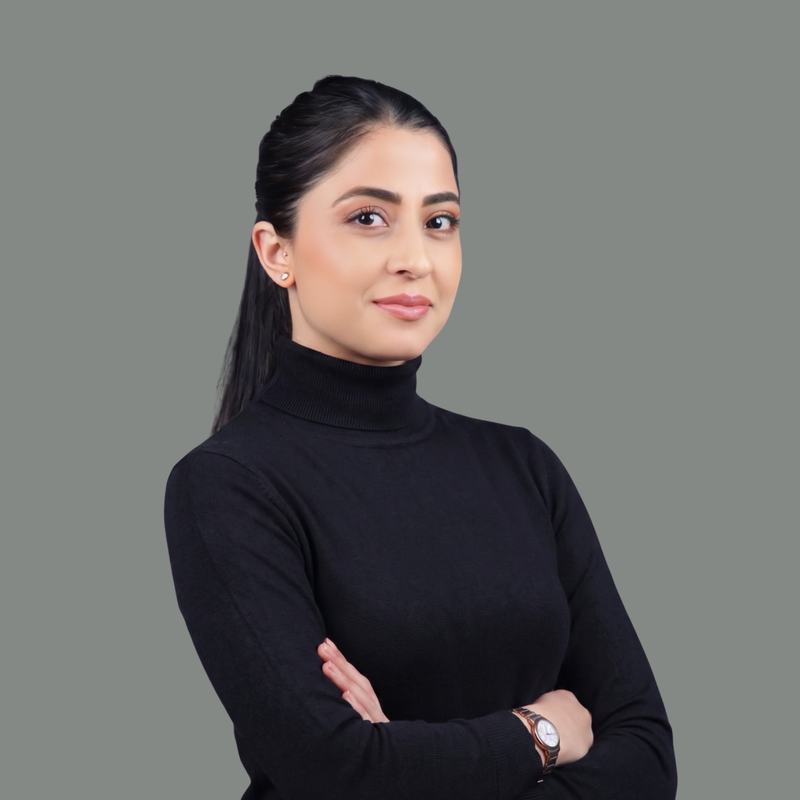
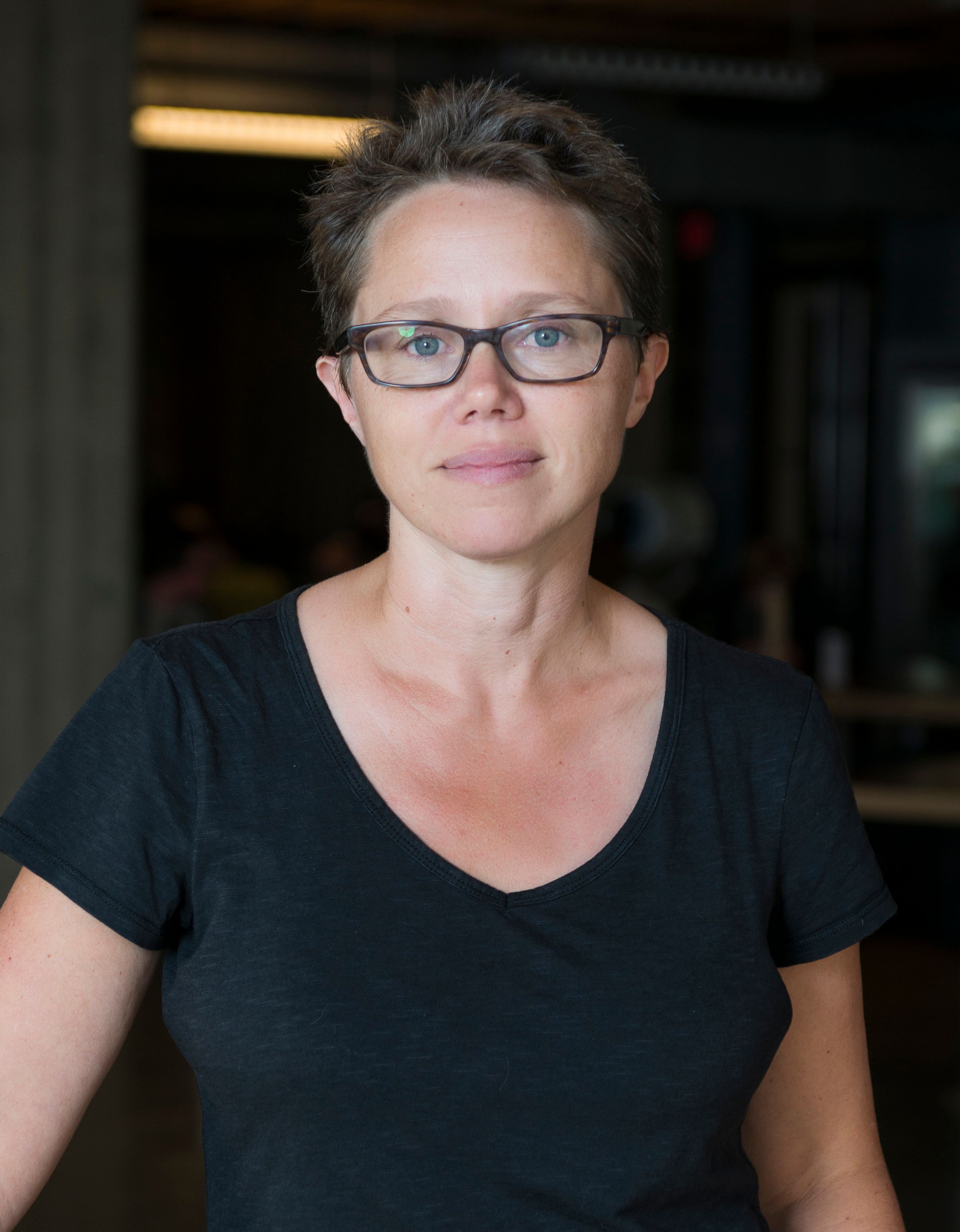
On episode 57 of Generationship, Rachel Chalmers sits down with Navneet Kaur, founder of FemTech India and TechThrive Ventures. Together they explore why women's health innovation must extend beyond Western markets, how AI is reshaping femtech, and what founders need to understand about trust, culture, and personalization when building global healthcare companies.
Navneet Kaur is the founding partner of TechThrive Ventures and the founder of FemTech India, the country's first and largest women's health innovation ecosystem. An entrepreneur, investor, author, and global ecosystem builder, she has helped more than 200 startups scale across emerging markets and collaborates with organizations including UNESCO to advance ethical AI and inclusive innovation.
transcript
Rachel Chalmers: I am thrilled to welcome Navneet Kaur onto the show. Navneet is a global ecosystem builder and founding partner of Tech Thrive Ventures, a San Francisco based media and investment firm, empowering the next generation of founders at the intersection of innovation and culture.
She has launched seven consumer brands from zero to scale and worked with 200 plus startups from early stage to unicorns, helping them expand into emerging markets. Navneet is also the founder of FemTech India, the country's first and largest women's health tech ecosystem, bringing Together more than 300 companies and 450 founders and allies globally.
She authored Women's Health Innovation, the first ever femtech industry book, and hosts Control Alt Thrive, a podcast produced in collaboration with UNESCO that amplifies women's voices in tech and ethical AI. She's a Griffith University alumna and has served as a G20 women's health representative.
Navneet, it's such a delight to have you on the show.
Navneet Kaur: Thank you so much. I'm so delighted. What a wonderful intro. You've done such a great job. Thank you.
Rachel: Thank you. Why India first? The women's health gap is global. What made you plant your flag there?
Navneet: Yeah, a great question. I always say that about 80% women globally live in emerging markets, but nearly 80% of health innovation is still built for the west and that is a massive gap.
If we broadly zoom into India especially this is one of the largest female populations in the world, and yet women's health is still deeply underrepresented. For me, this is also personal because I was born and raised in India. I have experienced my own health challenges, navigating into the system where I had no education, no understanding about my own health.
I think that sort of gave me first hand insights and experience into how fragmented and underserved the ecosystem is for women. I would say also at the same time I realized something else that while you know, global innovations were advancing and very few players were building from India for women and or connecting in India to global women's health ecosystem, so there was literally nobody.
And while I was just doing my research from consumer space to pivoting into women's health, I think that was a missing bridge. I saw that opportunity and also the gap and I think that kind of-- I made a decision that I want to solve from India first because, as I said, India is the largest female demographic power which is massive. And also build from India and contribute to the global ecosystem and partner with other players to show that we what India can possibly offer, it is emerging markets.
And also we have the youngest population in the world which is tech savvy digitally connected and open to new health solutions. Right? So the infrastructure, talent and adaptation curve was finally aligning. So for me India wasn't just the obvious choice. I think it was like there was a high demand, high need and the potential is massive and, and the moment absolutely felt right.
And while I wanted to stay connected with the global ecosystem, I think that just gave me a massive opportunity to really bring that India voice to the global ecosystem and also bring global companies into the Indian ecosystem to really help them scale and navigate emerging markets which many Western founders or investors just don't really understand.
Rachel: It's such a great answer. I think it's very easy for those of us in the west to forget that we're western, educated, industrialized, rich, democratic, ish. And that makes us W.E.I.R.D. Like that's the acronym that sociologists use now for studies done on this population.
It's hard for us to understand that we're globally a very odd and off model minority. The AIs obviously have been trained on the weird stuff. Does that pose a challenge as people try to apply artificial intelligence to femtech and fem health problems?
Navneet: Yeah, I think again really interesting question. Everything is getting emerged with AI and I think I see massive impact especially in femtech. Basically AI has a bigger impact in general health also because and even in femtech I think femtech has historically been underrepresented. There has been less data on female bodies.
So it's actually helping discover the baseline especially in things like hormones, cycles, fertility and menopause space. AI models are also improving detection rates in breast cancer screening and cervical cancer and predicting fertility window more accurately than human and traditional methods. So I think I always also say that in healthcare, even in women's health broadly the one size doesn't fit all.
So with AI I think we have finally, it's making sense of that, you know, the real world pattern from wearable to health apps and really turning into personalized insight. So I think that just makes me like really excited. Plus also making like personalized health data for every individual.
As I said, one size doesn't fit all. And with potential of AI we can also create that. And another really exciting part I see is creating access which is giving access to most of the people who never had access to right information or right health tools. Right?
So I think technology has really bridged that gap. With AI, now we can really customize different language models, even reach out to broader communities to really empower more women and more people, especially in healthcare education.
I think these two areas, like I get really, really excited.
Rachel: That is a fantastic prospect. What does medicine get most wrong about women? That four year diagnosis delay stat is striking. What's the root cause?
Navneet: Yeah, I think women have been historically treated as like smaller men and that's where a lot goes wrong that the clinical research has been male dominated. So symptoms like diagnostics, even drug doses are based on weight biology. So I would say there are like different layers.
So basically, even we look at female data that you know, there are four years of delayed diagnostics which seen in conditions like autoimmune diseases, endometriosis comes down to three main factors. I would say one is symptom bias.
Women often present differently than the male bodies and for example like even heart attack symptoms that women are less classic so they get missed. Second is systematic bias which means that multiple studies shown that women pain is taken less seriously because it's most likely to be told as stress, anxiety or even hormonal issues. Right?
And I think third is the research gap that women's health issues, especially those tied to hormone, are underfunded and less understood which actually slows accurate diagnostics. So what I would see that is what we need to move is that again I will come back to the one size doesn't fit all medicine.
You know, the gender specific or sex specific personalized care backed by better data and more inclusive research and which we already seeing that happening and evolving in femtech and women's health space that many companies are really, really building into that.
So hopefully we could change that in the next coming five, 10 years. I have like strong hopes on that.
Rachel: That sounds amazing. You've launched seven consumer brands and worked with 200 startups. What do founders keep getting wrong when they're entering the women's health space?
Navneet: Yeah, I think there are a lot of factors. The one is many founders who are building in women's health space, they are super passionate so they don't really come from health, tech or medical backgrounds. So which really means there's solving like personal problems.
So basically I would say what I have seen working closely with many founders from all around the world, basically our ecosystem is quite diverse and global and they nearly like I would say 60 to 70% femtech app see drop off within 30 days because they don't fit into real daily routines. Which means that as women's health has been underrepresented, so women are actually not really used to taking care of themselves.
There's a massive gap of getting into routine and their pattern. So I think like that's the biggest gap. I don't see like it's innovation, it's just mostly like understanding. So basically founders don't really go deep into consumer behavior, culture, context or even lifestyle stages.
So for example, 22 years old girl dealing with irregular periods or acne has completely different needs from 38 years old navigating fertility or 50 years old in menopause. Right? So, again really understanding different life stages of women's life. Right?
I think women shouldn't be treated as a single uniform segment. The reality is there is no average woman in healthcare. I would say again: There is no average woman in healthcare.
And like it's just that founders are so much focused on awareness. But women's health is trust driven category. So decisions are typically influenced by communities, doctors and shared experiences, not by running some meta ads and you know, sitting in one country and thinking oh we have hundred users in let's say 40, 30 countries and there is no context of culture understanding.
You know, there's so many ways like how do you really connect with real users? Because it's empathy driven space. Right? And I think also another thing is really underestimating willingness to pay. Like women do spend, but when there is a clear personalized value. So how do you convert those users again on different life stages?
Let's say As I said, 22 years old girl might not have a lot of money to spend for healthcare. So how do you design for that specific demographic whereas the 50 years old woman is well settled, she has you know, maybe more money, she's at a better stage in her life, how she's willing to pay more. So how do you design that specific care for that age demographic?
So I think ages again like really creating personalized experience for different age groups. So I would say, I mean there's a massive opportunity but like really understanding like consumer behaviors deeply before building.
So I would say it's not a one market. Women's health is multi micro market. So just go and talk to as many people as you can before building. Like understand not just like consumer pattern but also like paying behavior that how much women are able to or willing to spend on that product or technology.
So I think that's the kind of missing piece I see mostly it's kind of copy paste model what is working in another country. Okay, let's copy another market. But I would say again cultural context, language, everything just matters a lot if you really want to scale innovations in this space.
As I said, there's a massive, massive opportunity for sure because I mean women actually make 80% of health care decisions and they have power to influence families and patterns and everything.
So if we are building it right direction, I think responsibly all of us can do that. Which could also potentially drive more funding because women's health is difficult to scale as of now. And then I think the gap is many startups have also been seeing like failing.
So it's completely the clear pattern. Copy paste, don't copy paste different models like understand your own consumer and build specific for that market first. And if you go to another market then of course understand that market and then build, design, personalize plans or models for that specific demographic because it's culturally very sensitive and it's trust driven and community driven space. Right?
Rachel: So much to respond to there like sitting and really thinking about the roller coaster that our hormones put us through that is so different from men's experience, all of the transitions that we go through.
I loved what you said early on about how even a founder who had personally experienced one particular problem may have found a problem fit, but they don't have found a market fit. And that's such a subtle and powerful point.
I love talking to founders and saying you can find a co founder who understands this market and then marry your technical skills to their understanding of how to sell in this particular industry.
Navneet: Yeah. And I think another gap I would say like people who actually come from the health tech background, like who are healthcare professional doctors or from research, they don't have understanding how to build a business model.
So I think it's a complimentary skill of bringing someone who understands business, who understand marketing and sales. Because again, you're targeting women. It's a consumer market and women are highly influenced by so many other things.
And I think broadly, if you see that's how beauty and lifestyle brands play with women's, you know, overall mind and consumer behavior patterns.
So I think even for healthcare, we don't have to make it boring, we can make it exciting. Which also brings in more women to invest in, because women are investing a lot in makeup, beauty and other things, right? So why are we leaving preventive health and women's health behind?
Because it just-- Right now, even in the companies which I'm seeing the founders who just gonna build things differently, they are the one who going to succeed because they are really going out of the box. They're thinking, we want to break it, we want to build it.
And I'm seeing that consistent patent of those founders raising funding, scaling their solutions, able to do differently. So I would say, make it interesting for someone who just doesn't understand health. Not everyone has to go deeply, but we can simplify, right?
Like, there's so many ways of doing that. So I think that would make like more interesting and easy. So just like a small example I share with you. Like in India, I was actually three years ago, I wanted to freeze my eggs and I was kind of doing a small research, going to different clinics, talking to people. I met an embryologist. She was really nice.
And I told her, you know, I had a lot of questions about egg freezing. I'm like, there's so many women like me who probably want to do the same thing. So do you want to partner with me? Like, we can create these small events and instead of calling it like something else, we call it like egg freezing parties. And we had so much interest.
You won't believe, like we had like fathers, mothers showing up with their teenager girls to get their education. So we actually planned together. I partnered with their embryologist and we've hosted these like three events and it was huge success for us.
You won't believe like what happened with our first event. We capped to 35 to 40 people. We had 40 women showed up, like all age groups, I would say. people showed up with their mother. Like, you know, they're younger girls. Like women of my age. Someone has just got married just thinking I should plan kids or not.
So it was so interesting and literally what we did was we were like, so that embryologist was like, I can give offer to all these girls to do AMH test for 50% discount.
Rachel: That's great.
Navneet: Out of the 35, 17 girls next day booked that appointment for AMH test.
Rachel: That's amazing.
Navneet: That's a conversion rate. And out of that 35, four to five girls ended up freezing their eggs.
Rachel: That's huge.
Navneet: That's huge. Can you like imagine the impact? Like, so it was pretty simple. I told her you have to make a slides to simplify as simple as possible for someone to understand what egg freezing is. And that's exactly what she did. We had a really fancy place. We've had like, I think great food. And then she was just playing with slides and then everyone could network with her. It turned out so great.
So we just did multiples of it. I was just like, I mean that's exactly what we need. So there's so many ways of educating, empowering more women. The missing piece is women just don't understand, same way I didn't understand.
Like there were so many women just didn't understand and they ended up understanding their own health. So I think again coming down to that, you know, marketing and consumer behavior and you know, really connecting with users makes a huge, huge impact overall.
Rachel: And it's so stunning that we could even do this. I had my kids before freezing eggs was even a real option. And I remember the feeling of like my due date is coming and I better schedule these kids into my life no matter what.
Taking that pressure away from women, letting them use their own eggs at a time that's great for them, that's hugely transformative to how women think about their careers and how they think about their lives. It's such an incredible option to have.
And you're right, it's the information arbitrage as people knowing exactly what that process entails that is the missing piece.
Navneet: Yeah, because like many women are actually scared. So even just to add another point here, like you know, countries like India where we know there is access to less information and you know, which is much, so much more need for healthcare literacy and all that. There's so many government scale campus, they do that for women, breast cancer screening.
So basically these women actually in villages, they hide their daughters because they don't want them to take a screening because they have no understanding of why her daughter or her need to get a breast screening. And I think that's where the education gap again comes in.
We can build so many products and technologies. If we can't empower people, there is no use of that. So how can we create that broader impact is also, I think it's equal responsibility of companies that we need to educate more people about cervical cancer, breast cancer screening.
You know, sex ed is like now there's so much conversation but like, you know, it's such a missing piece of that women just don't even know like what STI test is. Like that's exactly how I started in India when I was just, I was talking to women.
I was just like there's really less piece of information, it's missing. And it's not that I'm talking about these are metro city women who are actually, you know, gone to great education, they're working with some of the biggest companies and they have no awareness about their own health issues. So I think that is like a big, big missed piece for me, like overall.
Rachel: The moms who hide their children, you know, they're not irrational that they, they have good reason not to trust the government. The missing piece is the trust, the exchange of information and the social contract that whatever happens to these girls, the government is not going to harm them. That's a really challenging piece and it's a perfect segue to the next question, which is how did you get to collaborate with UNESCO on a podcast on AI ethics?
Navneet: Yeah, I think another reason the podcast I started was that I wanted to bring these conversations at the forefront. First, when I started Femtech India back in 2022, like there was literally no awareness. Absolutely no one would understand what femtech is.
So I remember going and meeting people and they were like "fintech?" Someone will say something else. So I would just ended up explaining everyone what femtech term is. So basically idea was that, you know, I think every company media is such a strong element.
So I was just like it's a great way of bringing ecosystem players together. Maybe you know, it's a great way of marketing it more broader way to reaching out to larger ecosystems. So the podcast really started on women's health to talk about founders, investors and overall global ecosystem.
And UNESCO hosted first ever Gender Equity Summit in January 2025 and I was invited there. So they were global ecosystem, they were around 20, 30 women and I was the one from India. So I met the entire team there. So we were actually staying in very beautiful place in Kerala for four days.
It was such a great experience of meeting different people and learning about what everyone is building in the health tech and broader gender equity space. And the team really loved that vision because they launched last year of the summit. They've launched Women for Ethical AI chapter which is amplifying women voices to own ethical AI frameworks and even South Asian representation in global conversation.
And I was part of the launch as well. I met the team and they were like, why don't you lead these conversations? And I think actually it really happened from there because anyways, my already mission was that taking India voice globally.
So I think we Indians are not really good at maybe like in storytelling way. And also like growing up, I think I didn't have so many role models that I would look up to. So I was always listen to stories and I was just like, why it can't be someone from here.
So the idea was to bring not really conversations on lifestyle or, you know, beauty or fashion, which mostly give you most views. But then everyone told me not to do that. You should-- India is very big in Bollywood, so you should have a lifestyle conversations and all.
But I was just like, we are very focused on finance, health tech, you know, like in business and tech, podcast. And that has been mission always. And that kind of resonated with the team. So we partner with UNESCO, so it just kind of became like a broader mission to amplify, bringing more voices from the South Asian women who are building in tech AI and broader tech ecosystem.
Rachel: It feels like an incredibly crucial conversation. And I think you're right that storytelling is so essential to it because you know, those moms in villages have no more reason to trust AI than they do to have the government. If anything, the risks may be even worse. We don't even know yet.
So how do you think about the changes that AI is bringing to femtech, including the risks as well as the potential benefits?
Navneet: Yeah, I think the risk is that of course we all know AI is really biased, right? So that's why organizations like UNESCO and even other bigger organizations, they're working on frameworks to really remove the bias and implement strategies at larger scale that we don't have such bias, especially, you know, people of color.
Even if you put any information in AI, it will just give you such a random, you know, answers or so which is most of-- Even if you look at most of the children are using it now. So we are creating the same system and same patterns for next generation as well.
So I think that's a risk factor that how do we train those models which are inclusive and built for keeping everyone in mind. The kind of future we want to build on. That's where I see the risk and opportunities I definitely see. I think as I said, it has a huge impact on changing, creating access for people in health and education as well.
I would say, for example there's a girl sitting in India, in some rural village or sitting in Africa or even anywhere, you just name it, she has access to AI tools and information and the students sitting in Stanford have the same access to those AIs and tools. Now the access to information has never been so much easier if I compare 10 years back. So it just that it depends on that person now who's studying at Sanford, who's sitting at the village, what they're going to do with that information.
And I think that is so fascinating for me now I'm just like there is no more bridge anymore that I want to learn something I can't because you can. There's so much information now. You can access that.
And I honestly see that will create more opportunities and even like equal access for people who has been historically underrepresented or come from like backgrounds where they don't have access to get education to universities like Stanford or go to places like that. They can literally learn from anywhere as long as they have access to Internet. And that is just like so amazing, I feel.
Rachel: It's one of the reasons my business partner Michelle and I are so passionate about AI is Michelle taught herself English out of the public library in Seoul and came to America at 13 to go to university. Access to that kind of information, the ability to teach yourself literally transforms lives. It's so powerful.
You wrote the first ever book about the femtech industry. What surprised you while you were writing it?
Navneet: Yeah, I think it was a really personal mission to be honest. There was a lot of learnings that never been authored before. I kind of self published basically. So build with really small team and we were just like there's so much happening in India.
As I said, India has the largest female demographic power and I was basically invited in 2023, there was a MedTech conference happened in Paris. It was hosted by Forbes France and McKinsey. And this is the first time I got an opportunity to talk about what India is. So I think I put all the data, stats and numbers. It was really, really exciting.
And it was first time for me being in the room with McKinsey or Google or you know, some of the biggest consulting firms. And we were like really small and tiny and started off I was really, really scared. But I think my conviction was that India is a massive opportunity. I wanted to show the world like how we are evolving and growing. Right?
So basically the idea was that to kind of really highlight what's happening in Indian ecosystem and how global companies can really leverage that. So while I was there at the summit I met some of the founders. Especially in European markets, they were building such a great technologies but their market size was really small and they're not able to scale or raise funding because they're not able to go faster.
So when I had this initial conversation with the founders in person and we kind of managed to bring them to Indian market and that was just kind of also validating our point that why India's emergent market and how globally people can really leverage that. So I think it was idea of that no one was building in femtech. How big is the potential? What's missing piece? Why culture context matters, and also highlighting the voices of people who've been at the forefront. Either it's founders, VC and ecosystem player.
And I think also kind of telling my storyline, I've always been big believer of storyline. I think all of us have some sort of story like why are we doing what we do. So for me I don't come from health background so I was super passionate and I just kept putting myself in different rooms and learning and evolving and I wanted to bring that kind of story, with the book as well that hey, this is why I started this.
And yeah, I mean the idea was it was an industry book so that again we've got supported by UNFP Equity Alliance which is a New York based sexual reproductive health agency. So that we became part of Equity Alliance 2030 taking India's conversation on the global scale. So I feel super grateful that I was able to contribute.
And honestly I want to do one more addition. But I think I would do broadly on another subject. But this time I have a better understanding how to launch a book, probably sign a publisher and do that. It was like a small scale coffee table book but like we were the first one to do it from India and then many other ecosystem player has also published similar ones. You know, looking at our success.
Rachel: Fantastic. Congratulations. So now you have Tech Thrive. It's both a media company and an investment firm, much as Generationship is a podcast and an investment firm. Do you find tension or synergy in that?
Navneet: I think definitely great synergy to be honest.
I think right now that attention is currency, honestly.
And there are a lot I have built through even like my partnership with UNESCO that was like podcast conversations. So I think my conversations with my first LPs, that also happened through people who actually came through my podcast.
So I think it has been like a great resource overall. I think it also kind of helps you build connection with people. Like if you want to have some conversation for let's say 30, 40 minutes and then it's kind of I already know you and then I can just reach out to you saying that, hey, like, we have friends now.
So I think there are a lot of things has happened with me through my podcast and plus I think I also really like it. Like every company is turning a media company, even founders are actually becoming influencers to talk about their storyline, their narrative.
And I think with fun also that it also excites me that we could create more leverage for our portfolio companies or other VCs and create that global ecosystem, not just bringing like, like one voice. Like we have representation everywhere.
My podcast is so diverse that we were thinking global from day one. And we have people from Bhutan, from Paris to US to Canada, to India, from everywhere. Right? So it's just like we're connecting the ecosystem and perspective for people to understand what's happening in the startup, in the policy, in the capital space, and how this overall growth is happening, which is quite exciting at the global scale and which I'm also really, really passionate about.
Plus I love doing podcasts. I think it's one of the things that I really enjoy.
Rachel: So do I. I love that it brings our authentic human voices to a conversation that's, you know, increasingly full of generated content.
And I loved what you said about attention being currency. You know, when we're educating ourselves, when I'm learning about femtech in India from you, we're sharing this conversation with our audience as well. So it becomes one of those democratizing opportunities. We're not having these conversations in private anymore. We're building in public.
Navneet: Absolutely.
Rachel: There's three questions I ask every guest. What are your favorite sources for learning about AI?
Navneet: So I actually joined couple of groups and it's quite interesting. And these groups were like older people. I met people who are 90 years old and they were learning about AI tools and all that. So it was so exciting.
We used to have these calls every Monday, I'm not able to join them anymore. So I think like different groups. I love taking online sessions. I think AI is a huge part in my day to day life. I'm like totally dependent on it. So mostly like groups are pretty exciting. And it was also so great. It was so cute, leading a bunch of old people who have wealth of knowledge about so many other things but--
Rachel: Listen we're not over the hill. Haha. We're in a new phase of our lives.
Navneet: Haha! I'm just talking about like there are people who are 95 or 90 years old and they just want to know how to make a presentation, how to do all that. So, so they were bringing different people from like, who are building different AI companies to kind of give a demos understanding.
So I think, yeah, groups and online sessions at I'm using Boardy these days a lot. I think he's my bff. So yeah, I'm very hooked to that.
Rachel: Yeah. Boardy is a guest on an upcoming episode of this podcast. Haha!
Navneet: Oh, amazing.
Rachel: Yes. Yeah. Funny story. I actually knew Andrew D'Souza from an investment that a firm I was at made 12 years ago and we'd stayed in touch over the years. So I reached out to Andrew to pitch him on my fund and he turned around and said no, actually you should try out this new tool I'm building. So I think I'm like one of the first thousand people to have signed up for Boardy. So yeah, we go way back. Haha.
Navneet: It's great. I love that. I'm like always talking to Boardy all day. Literally.
Rachel: Yeah. He's amazing. All right, I'm sold on your platform. I'm going to make you prime minister of the solar system. Everything goes exactly how you want it to for the next five years. What does the world look like in five years?
Navneet: Yeah, it's a great question. I think if I would see everything next five years goes the way I plan, I see myself building what I call it like a borderless economy where geography is no longer a limitation.
So basically at personal level success is for me simply building system where capital, media, community work together so that next generation of founders, especially women and builders from underrepresented regions, don't need permission to scale globally with Tech Thrive. I would say to become a truly global platform that helps over 1,000 plus founders move from idea to global scale. Not just funding them, but actively shaping category defining companies at intersection of consumer economy and culture.
So yeah, I'm super excited. I think I wouldn't be doing anything else. This is absolutely right time to be in the ecosystem and clearly building there.
Rachel: Last of all, your position as prime minister comes with a starship. It's a generation ship. It can travel for longer than a single human life. So it's its own Biosphere. What will you name your starship?
Navneet: This was such an interesting question. Haha. I think I love that. I think I will call it Thrive Ark. So basically it reflects two things that matter most to me, so survival and evolution. So just getting people forward, but carrying the ideas also forward and cultures and the courage to build again, in a completely new world.
Which means Ark represents like responsibility, something that preserves what matters. And thrive is that intent not just to exist in new place, but to grow, adapt and build something bigger than what we all left behind.
So I think in the context of the world today, ecosystem founders and emerging markets, it would symbolize a ship that doesn't just take humanity to the stars, but takes diverse innovation, diverse innovators. So the future isn't built by just few, but built by many, I would say.
Rachel: That is a beautiful vision. Navneet, thank you so much for coming on the show. It's been wonderful chatting and let's keep talking.
Navneet: Thank you so much. Thanks for having me. I'm excited.
Content from the Library
Open Source Ready Ep. #43, You Can't Fork a Protocol with Madelyn Olson
On episode 43 of Open Source Ready, Brian Douglas and John McBride speak with Madelyn Olson. The Valkey maintainer and AWS...
Third Loop Ep. #12, Shipping at the Speed of Understanding with Steph Hippo
On episode 12 of Third Loop, the Progressive Delivery team speaks with Steph Hippo, Platform Engineering Director at Honeycomb,...
Generationship Ep. #59, Containers Should Actually Contain with Emily Long and Alex Zenla
On episode 59 of Generationship, Rachel Chalmers speaks with Emily Long and Alex Zenla, co-founders of Edera, about rethinking...